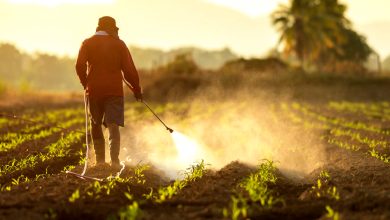

More than a year after Foot and Mouth Disease (FMD) first triggered widespread concern across South Africa and neighbouring countries, the outbreak continues to affect livestock operations unabated. Confirmed new cases have climbed from 932 in March 2026 to 2,034 by 22nd May, now affecting all nine provinces, with KwaZulu-Natal, Free State, and North West among the hardest hit, and cross-border risks with Botswana remaining high.
For many livestock farmers in South Africa, FMD is no longer a distant threat. It is part of everyday farm life. It affects auctions, sales and supply chains. It creates anxiety every time a new case is reported nearby. And while vaccination programmes have been expanded in response to ongoing outbreaks, rollout pressure and inconsistent access in some regions mean farmers are still operating in a partial-control environment.
Amidst all the uncertainty, one thing is clear: good farm biosecurity matters. Recently, though, in conversation with a KZN farmer, he raised a fair point: “But we can’t spray everything.”

“And he’s right,” says Timothy Isabirye, Marketing Manager at Husqvarna South Africa. “You cannot disinfect every fence line, every patch of soil, every grazing area or every movement across a working farm.”
Nevertheless, he believes there are some things farmers can still do:
Cut unnecessary movement
FMD spreads through infected animals, but also via people, vehicles, equipment and contaminated materials.
Every movement onto or across a farm creates another possible pathway for disease. So, before moving anything, ask: “Does this really need to happen today?” because reducing unnecessary movement is often more effective than relying on reactive disinfection later.
Treat farm gates as a control point
Gates are the first line of defence in an outbreak and have shifted from an entry point to a control zone.
Keep gates closed and track who enters, where they’re from, and monitor their movements on the property. Every vehicle should be sprayed before entering, and visitors, buyers, service providers and contractors should only access livestock areas when absolutely necessary.
Manage boots, clothing, and tools
Boots, overalls, hand tools and machinery can all become part of the transmission chain if moved between farms or livestock areas without proper precautions.
Clean and disinfect workwear, boots and equipment daily, especially after being in higher-risk areas. Where possible, insist that suppliers and contractors follow the same standards before entering the farm. Keep tools and clothing farm-specific and avoid sharing equipment.
Monitor herd health
When something looks wrong, speed matters.
Farmers know their animals well and can quickly spot when something is wrong, whether it’s a drop in milk production, animals being off their feed, or behaving out of character.
Watch for warning signs, and if you suspect something, trust your instincts and report your suspicions straight away. Don’t wait and hope that it passes.
Make biosecurity a daily routine
The hard part about biosecurity doesn’t lie in awareness, but in consistency… day after day.
When an outbreak drags on and becomes the norm, fatigue sets in. A gate is left open. A visitor walks into a livestock area because “it will only take a minute”.
That is exactly when farms become vulnerable.
Of course, access to vaccinations is essential. Clear communication from authorities remains essential. But as farmers wait for the wider picture to stabilise, one thing is certain, as Isabirye observes: “FMD is no longer just an interruption; it has become part of farming. It calls for daily, consistent vigilance using practical, repeatable routines that everyone can realistically follow.”
“Spraying, cleaning and disinfecting cost time and money,” he acknowledges. “But right now, every one of those actions matters. Because the harder it is for FMD to move through a farm, the better the chance of protecting the herd, the farmer’s livelihood and ultimately, national food security.
“Yes, you can’t spray every inch of a working farm, but you can be relentless about the places where the risk is highest,” he concludes. “So spray the gate. Spray the tyres. Spray the boots. Spray the equipment. Disinfect clothing. Today. Tomorrow. The day after that.”