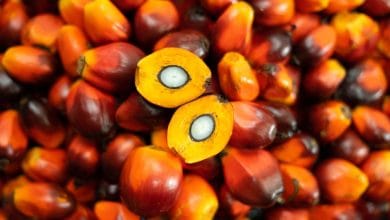

In Ivory Coast, authorities reduced the cocoa farmgate price by 57% to CFA1,200 (US$2.13) per kilogram for the 2025/2026 mid-crop campaign, which begins in March one month earlier than usual. Bruno Koné, Minister of Agriculture, announced the measure on 4th March 2026. During the main season from October to February, authorities had fixed the price at CFA2,800 per kilogram.
“This decision was not taken lightly,” the minister said, linking the adjustment directly to cocoa price trends.
Although producers had welcomed the previous rate with enthusiasm, the government expected the announcement amid mounting pressure on the sector.

Impact of falling global prices
The new rate carries significant implications for farmers and for the entire cocoa marketing system. The October purchase price later exceeded the global market price.
Cocoa futures currently fluctuate around US$3,000 per tonne. Contracts fell to US$2,952 per tonne on 24th February 2026, their lowest level in more than two years, after reaching a record high of US$12,906 per tonne in New York in December 2024.
For international traders, the price drop generated losses and slowed purchases. The slowdown led to a stockpile of 100,000 tonnes of unsold beans from the main crop, which the Conseil du Café-Cacao inventoried in January in production areas.
To provide liquidity to farmers and ease tensions with producer groups, the government launched a program to buy the entire volume at the guaranteed main-season price. Authorities allocated CFA280 billion (US$496 million) for the operation. The program has already enabled the purchase of 23,000 tonnes of cocoa, according to data from the Interprofessional Agricultural Cocoa Organization.
Towards a return to stability?
With this measure, the government pursues two objectives. Although Ivory Coast implemented a larger relative cut than Ghana, which reduced its price by 28.6%, the Ivorian rate remains more attractive in absolute terms. Ghana’s price stands at 41,392 cedis (US$3,847) per tonne.
This differential repositions Ivory Coast in its favour and may limit illegal cross-border flows to its eastern neighbour. At the same time, the measure reduces cost pressures for importers.
According to information reported by Bloomberg on February 25, traders have already benefited from the removal of the quality premium and the US$400-per-tonne Living Income Differential introduced in 2020/2021 to improve producer incomes.
With the new pricing policy, authorities aim to accelerate trading operations. Data relayed by CocoaRadar, show renewed activity at the country’s main export ports. Arrivals for the week ending March 1 totaled around 28,000 tonnes, including approximately 15,000 tonnes in Abidjan and 13,000 tonnes in San Pedro, compared with nearly 18,000 tonnes during the same period last year.